
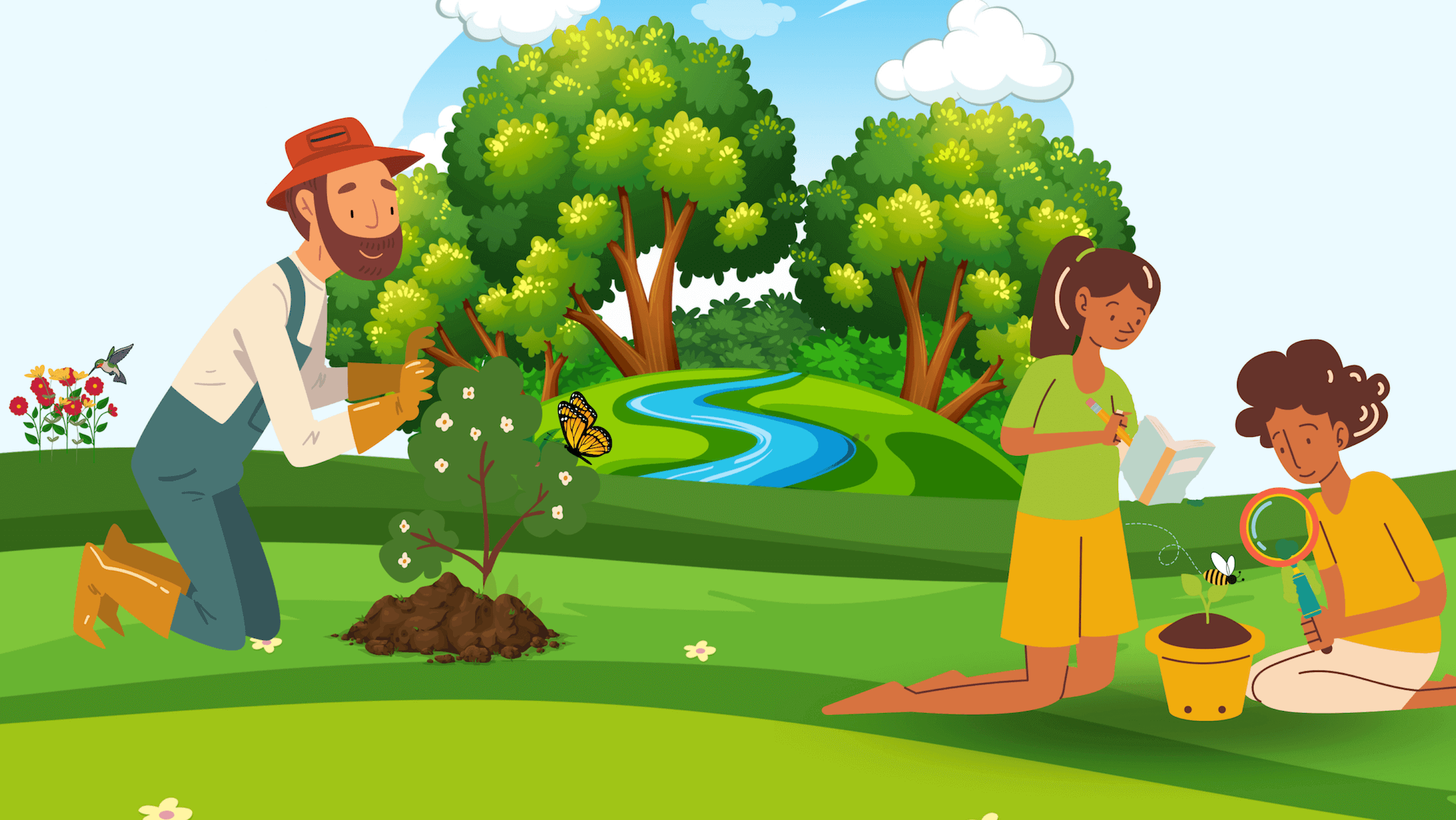
AG SEED-LINGS is a K-5 educational program funded by a USDA NIFA K-14 grant, created through a collaboration between Penn State’s Center for Science and the Schools (CSATS) and the Center for Pollinator Research.
The program focuses on teaching young students about pollination, the importance of pollinators, and their impact on food security. With over 19 engaging STEM lessons, AG SEED-LINGS provides comprehensive resources, including teacher guides, student guides, scientific reading passages, and AI-generated narratives available in both English and Spanish.
This curriculum is designed to foster environmental literacy, encourage scientific curiosity, and highlight pollinators' critical role in sustainable food systems.
Is your classroom or school ready to be pollinator friendly? Or are you in need of newly adopted STEELS aligned lessons? AG SEED-LINGS Curriculum kits includes:
- 1 Printed Teacher Guide Booklet
- 2 Printed Student Guide Booklets, ( 1 color & 1 B&W - Photocopying is allowed with purchase of kit(s).)
- All major consumables needed to implement all kit lessons, (20-25 students per lesson.)
- A great selection of short science-related read-aloud books for every lesson!
- Free Shipping!
Click on the following link to purchase:
AG SEED-LINGS Bundle for K-2nd grade
AG SEED-LINGS Bundle for 3-5th grade
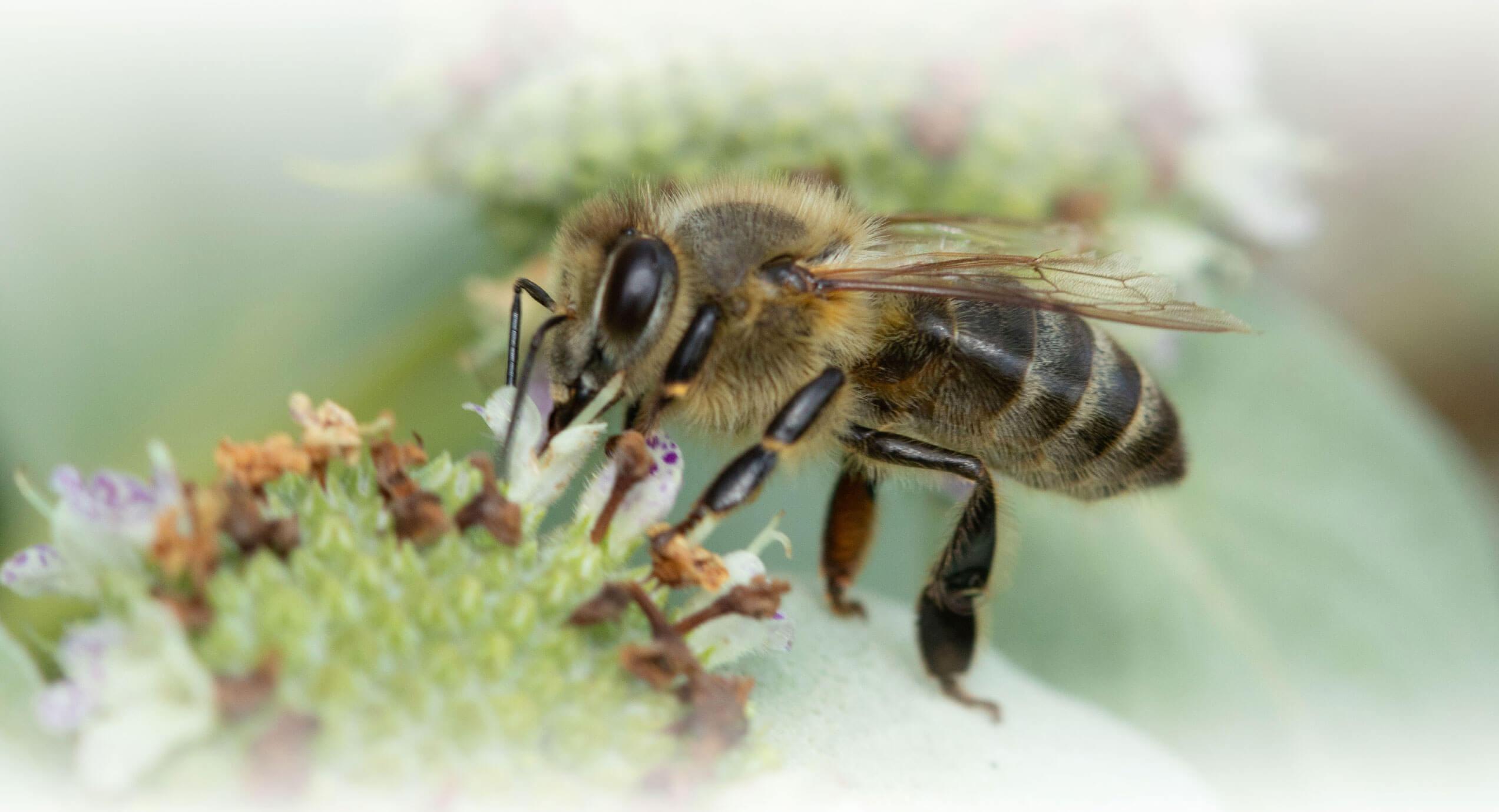
Authentic Plant Pollinator Landscape Research for Education (APPL-RED) was a teacher professional development program that ran for secondary science educators in the summers of 2017 and 2019. The program focused on cutting-edge plant pollinator research at the Penn State Center for Pollinator Research and various research techniques used in this interdisciplinary field. Teachers at the workshop learned about plant-pollinator interactions, pollinator habitat, and pollinator decline. This page contains resources from the APPL-RED teacher professional development.
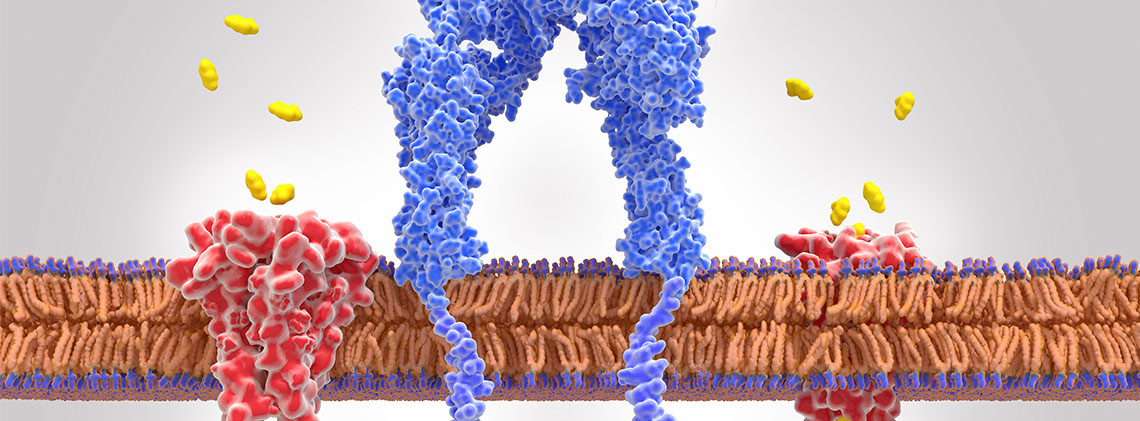
SHaping Authentic Practices by Engaging in Modeling of A Topic with Teachers to Explore Research in Science (SHAPE MATTERS) is funded by an NIH Science Education Partnership Award. The program has three objectives.
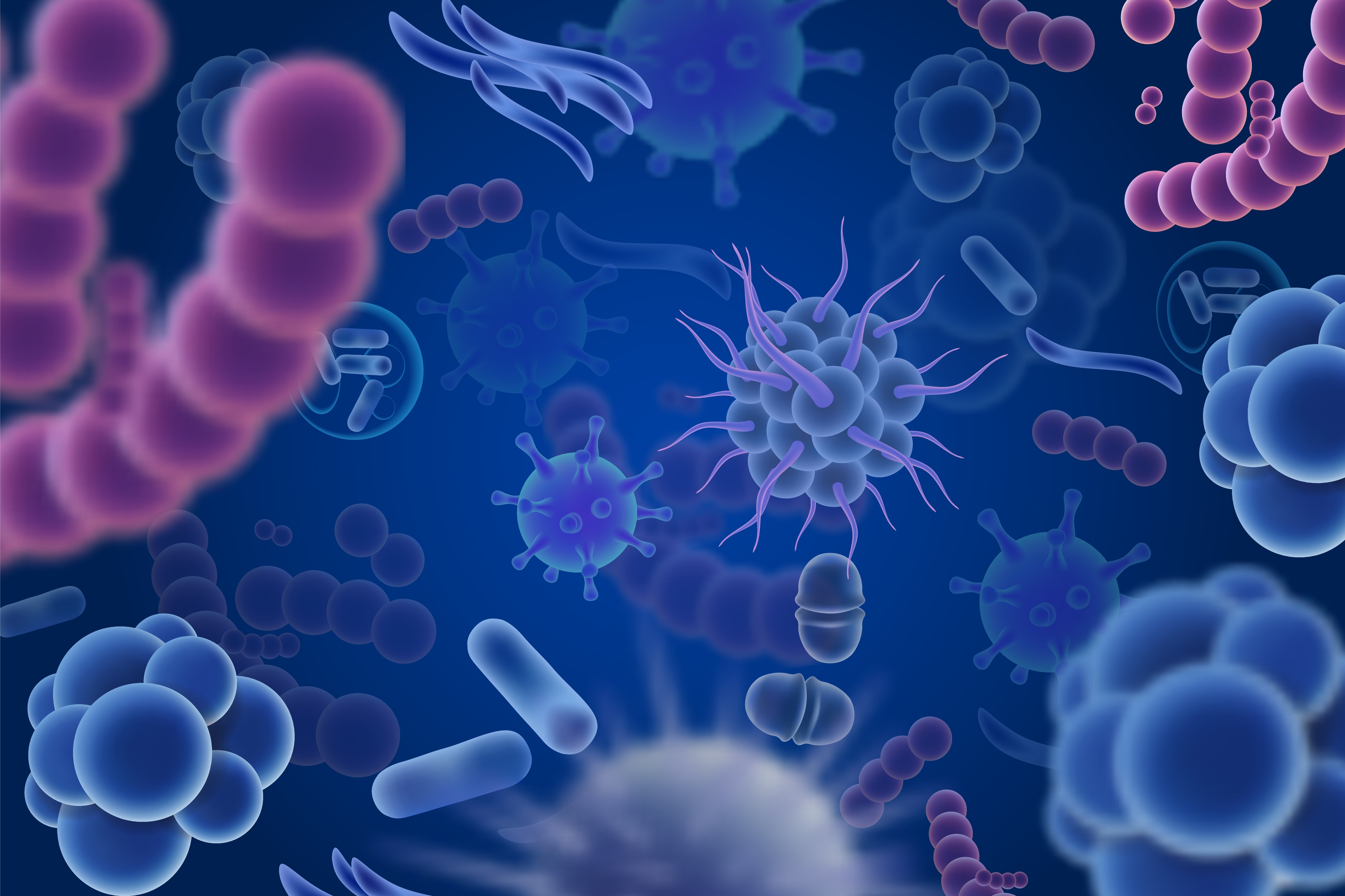
Microbe Marvels: Decoding the hidden heroes of human health was a one-day i-STEAM workshop for teachers hosted by the Center for Science and the Schools, Dr. Patterson’s lab, and graduate students from the Integrative Analysis for Metabolic Phenotypes NIH T32 Training grant at Penn State. The workshop hosted for secondary science teachers had two goals:
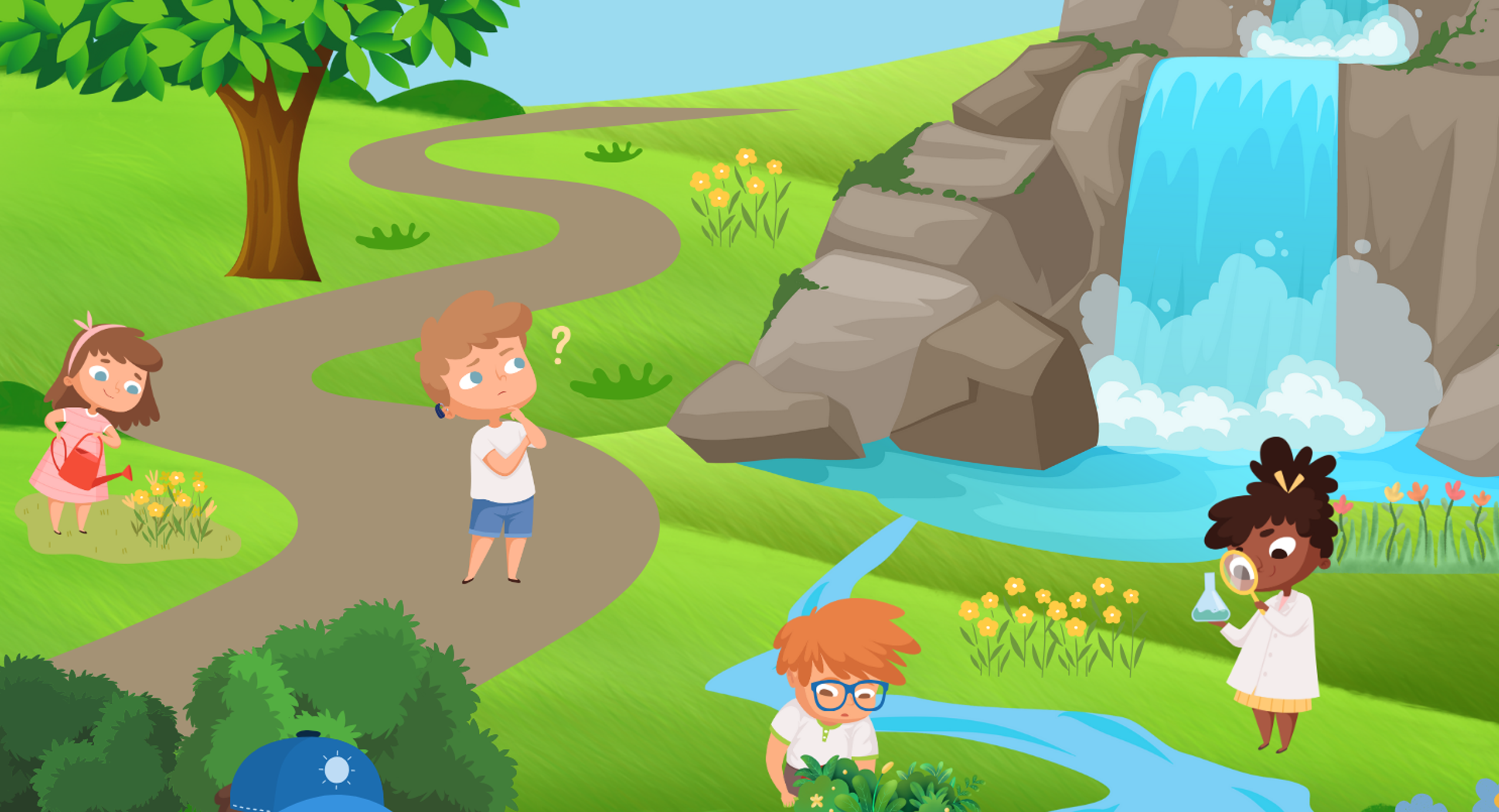
Discover how to bring meaningful environmental education to life in your classroom focused on the Chesapeake Bay watershed in Pennsylvania. Explore erosion, landscape formation, and watershed dynamics through hands-on learning, while gaining the tools to engage your students in outdoor field experiences right in your school’s backyard. Implement a Meaningful Watershed Educational Experience (MWEE) with practical resources to inspire curiosity and stewardship among students about their local environment.
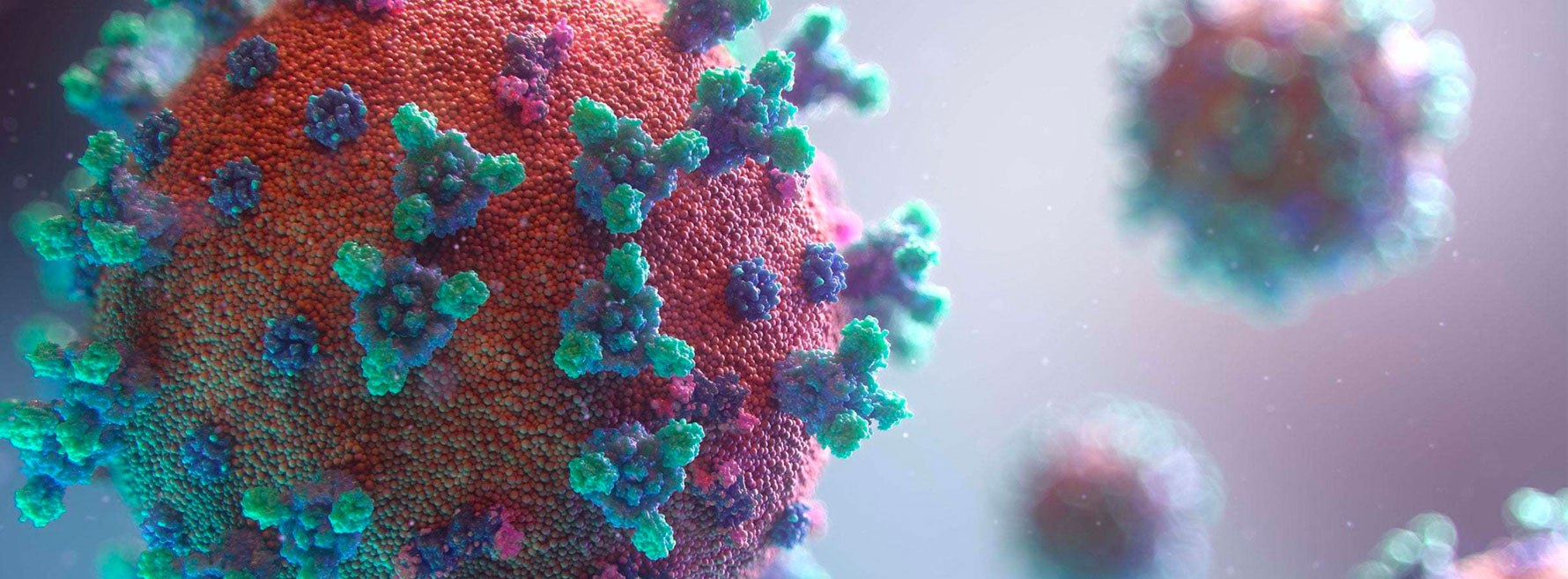
You have the unique opportunity to learn about the scientific exploration happening right now in response to the COVID-19 pandemic. Co-developed with experts in virology, epidemiology, agent-based modeling, and public health preparedness, this introductory FREE course allows middle and high school students to learn about COVID-19 through the lenses of three distinct scientific fields. We have a lot to cover, so let’s get started!
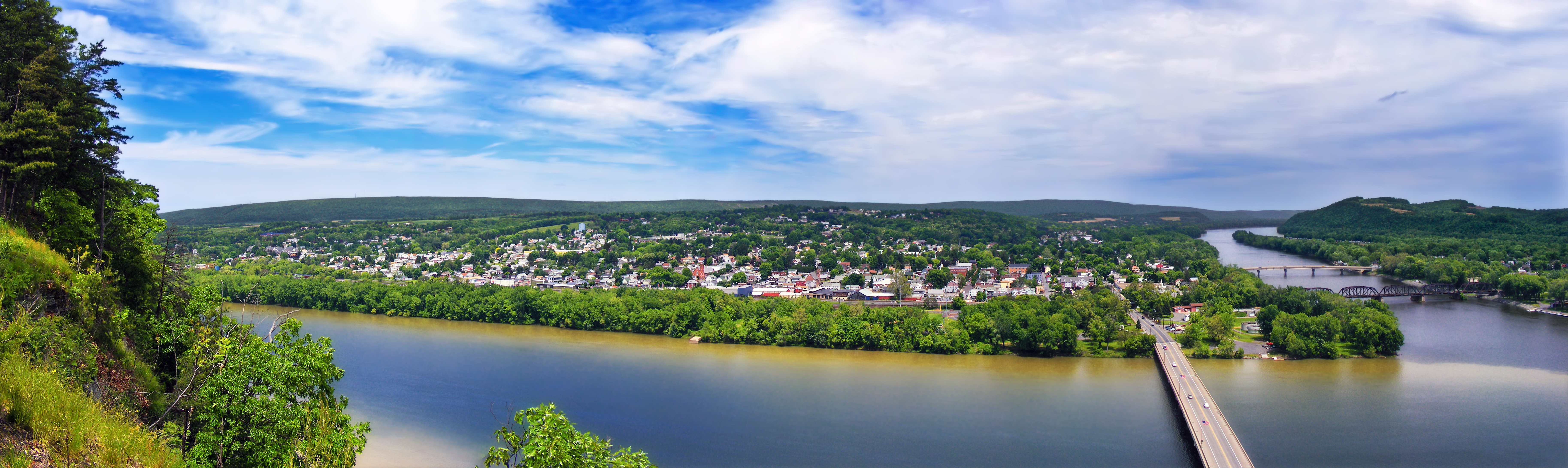
Secrets of Watersheds and Their Community Impact is an interactive online course that explores the critical roles watersheds play in our environment and communities. Through four engaging sections featuring real-life examples, multimedia lessons, and hands-on activities, students will learn what watersheds are, how water moves across landscapes, and the characteristics of the critical zone that affect water movement. The course takes learners on a journey from understanding global watershed conditions to examining major watersheds in Pennsylvania, modeling water movement in the hydrological cycle, and using real data to monitor local watersheds through case studies like Bald Eagle Creek and Two Lick Creek. Knowledge check questions throughout each section reinforce learning, while activity challenges such as "Journey of a Raindrop" and "Support Your Local Watershed Using Data" encourage active participation and empower students to identify meaningful actions they can take to support watershed sustainability in their own communities.